
Correcting a major scoliosis deformity is both a mechanical and physiological transformation. Unlike simpler spine procedures, complex scoliosis surgery involves multi-level fusion, rod placement, and structural realignment. Because your spine’s “foundation” has been reshaped, your body requires time to adapt.
Understanding Your New Alignment
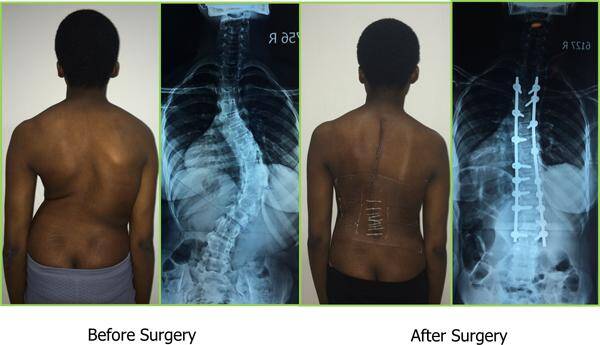
After surgery, many patients notice:
- Feeling taller or structurally different
- Changes in posture and balance
- A need for the brain to recalibrate body alignment
This is completely normal—your body is adjusting to a new center of gravity.
The Recovery Timeline: Milestones to Success
Phase 1: Hospital Stay (Days 1–5)

The focus is on pain control and early mobilization.
- Early Movement: Standing and walking within 24–48 hours
- Pain Management: Multimodal analgesia for comfort
- Body Awareness: Adjusting to your “new posture”
Early mobilization is critical to prevent complications and improve recovery.
Phase 2: Home Adaptation (Weeks 1–6)
This is often called the “patience phase.”
- Fatigue: Your body is healing intensively
- No BLT Rule:
- No Bending
- No Lifting (>2 kg)
- No Twisting
- Wound Care: Keep incision clean and dry
Your spine is supported by implants, but bone fusion is still in progress.
Phase 3: Building Strength (Months 3–6)

This phase marks the transition from protection → strengthening.
- Start guided physiotherapy
- Focus on core stability & proprioception
- Begin low-impact activities like:
- Walking
- Cycling
- Swimming (after wound healing)
Phase 4: Return to Normal Life (Months 6–12+)
- Gradual return to daily activities and sports
- Fusion becomes strong and stable
- By 1 year, most patients enjoy:
- Improved posture
- Better balance
- Enhanced quality of life
Pro Tips for a Faster, Safer Recovery
- Nutrition Matters:
High-protein diet + Calcium + Vitamin D are essential - Avoid Nicotine Completely:
Smoking is the leading cause of failed bone fusion (non-union) - Use Assistive Tools:
- Long-handled reacher tool
- Raised toilet seat
- Supportive bedding
When Should You Contact Your Surgeon?
Seek immediate medical attention if you notice:
- Sudden “pop” sensation with pain
- Fluid discharge from the wound
- New weakness or numbness in the legs
Early intervention prevents complications.
Final Takeaway
Complex scoliosis surgery is not just a procedure—it’s a journey of transformation.
Recovery takes time, discipline, and guidance. But with proper care, the results can be life-changing—restoring alignment, confidence, and mobility.
Sandeshkumar Lakkol Consultant, Orthopedic Surgery Healthpoint |
| PO Box 112308, Abu Dhabi, United Arab Emirates |
| T 800 77 | D 024929871 | M 024929871 |